
Origin, traceability, and trust in every cup
Seven regions, one origin with character
Café de Costa Rica is grown in regions where microclimates, soils, and altitudes shape distinctive cup profiles. Each area adds identity, history, and its own sensory expression.
This origin combines traceability, sustainability, and strong institutions to build trust with buyers, roasters, and consumers in demanding markets.
A history that helped build a country
Coffee shaped Costa Rica’s development from the 19th century onward. Its expansion, the first documented export in 1820, and strong institutions formed an origin known for quality, trust, and innovation.
An origin with prestige
History, quality, and consistency connect the territory with markets.
Clear rules
Institutions strengthen transparency, quality, and protection of origin.
Sustainability with a future vision
The sector advances with practices that respond to more demanding markets and consumers.
Quality and innovation
Continuous improvement drives traceability, differentiation, and buyer confidence.
Sostenibilidad del café de Costa Rica
La sostenibilidad distingue al café de Costa Rica mediante la protección de la biodiversidad, la no deforestación y la reducción de emisiones. Iniciativas como NAMA Café y el sello de café bajo en emisiones fortalecen un origen reconocido por calidad, responsabilidad climática e innovación.
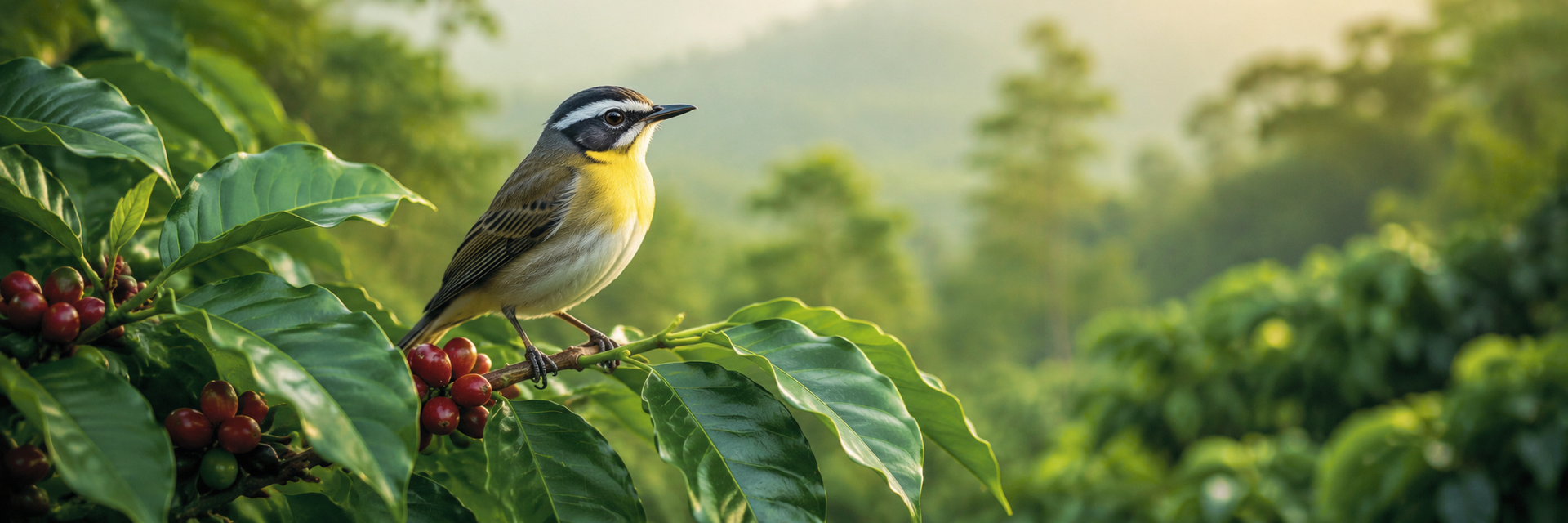
More than a brand: a way of making coffee
Café de Costa Rica expresses the identity of a small country with a strong reputation: committed people, tradition, quality, and a modern vision of sustainability.
From origin to cup, we promote traceability, long-term relationships, and innovation without losing authenticity. Each lot tells a story of territory, effort, and trust.
A small origin can make a major difference when it brings together quality, traceability, and trust.
Explore what Café de Costa Rica represents
Trade with traceability
We connect mills and exporters to enable reliable, transparent business with clear information from origin.
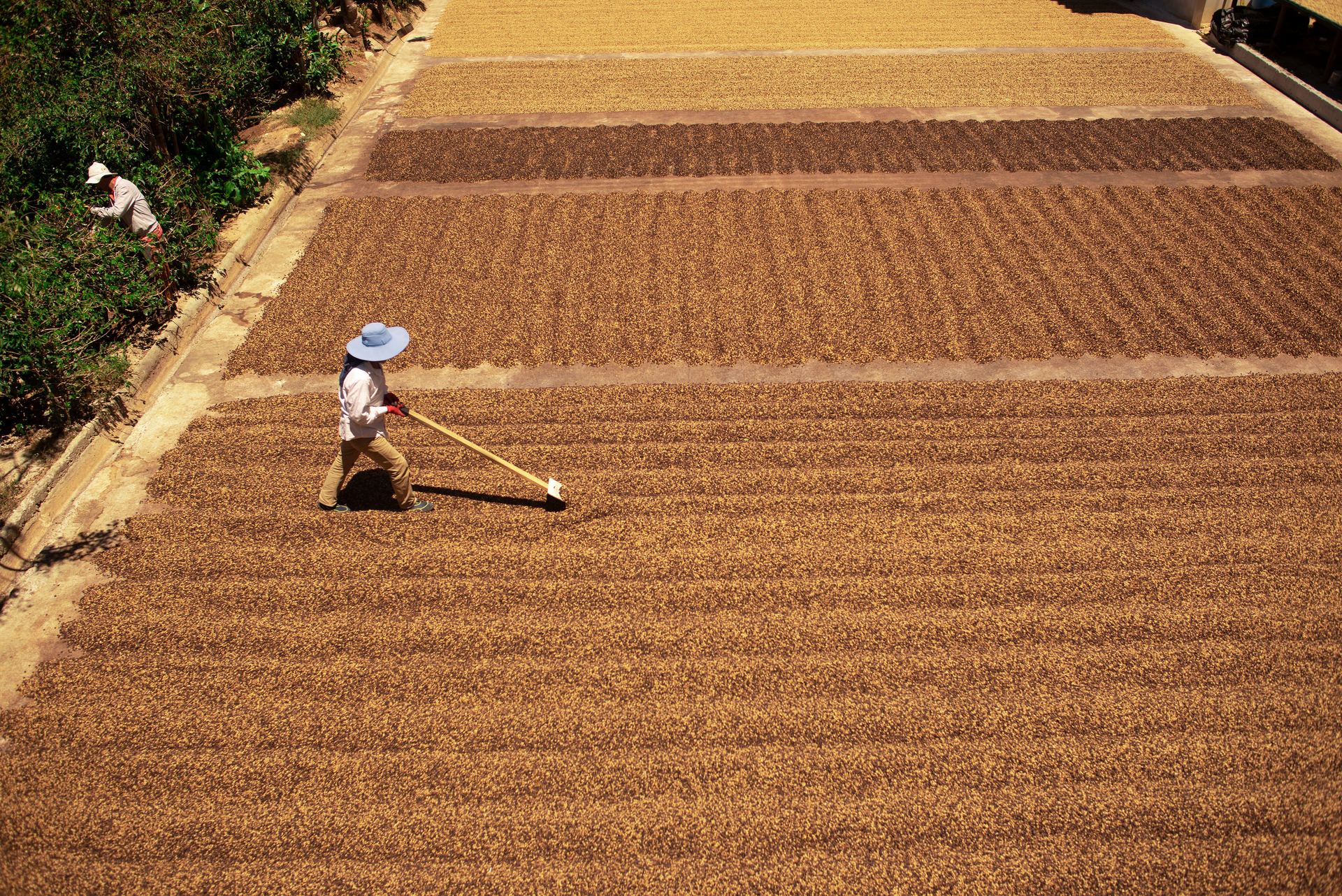
Mills
Discover the mills that transform Costa Rican coffee and sustain its quality, traceability, and differentiation.
Exporters
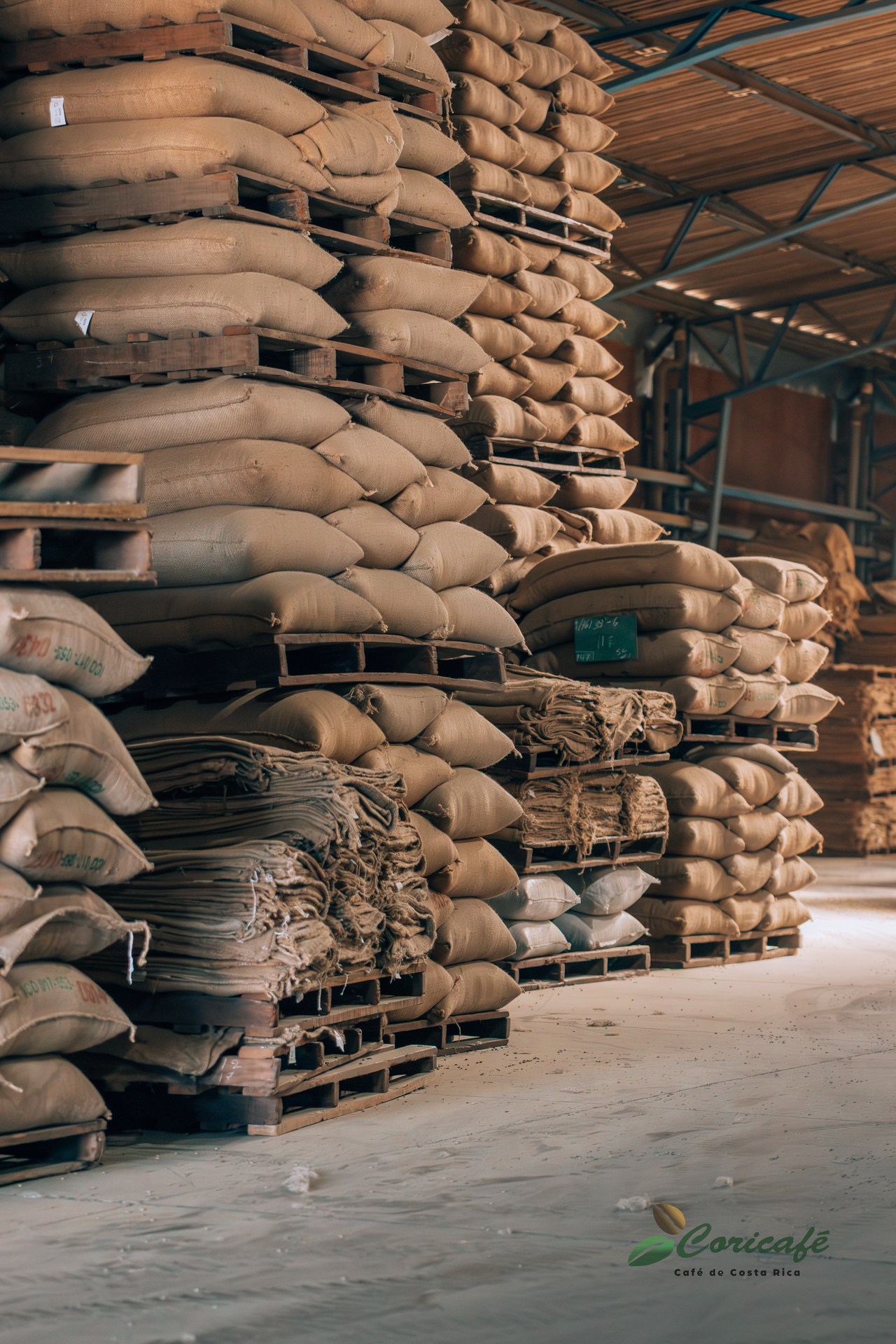
Find exporters that bring Café de Costa Rica to international markets with trust, compliance, and added value.
Coffee sector updates
News, events, innovation, and culture around Café de Costa Rica.
What makes Café de Costa Rica different
An origin with clear rules, traceability, sustainability, and innovation. Café de Costa Rica brings together institutions, quality, and trust to compete in demanding markets.
Validate traceability
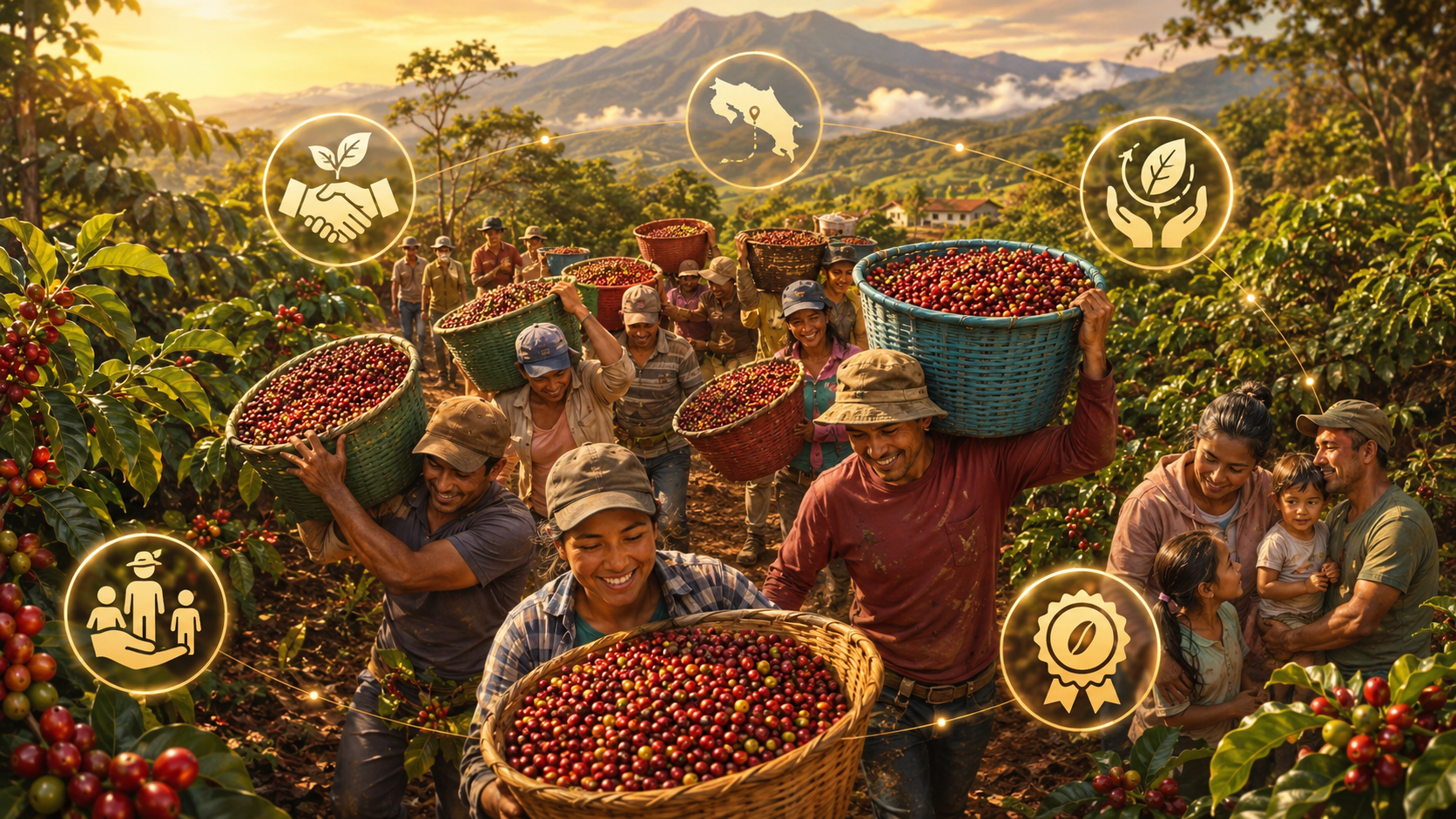
ICAFE connects producers, mills, exporters, and roasters under recognized rules. This framework strengthens contracts, settlements, harvest reports, and verification of origin and quality.
The sector structure and micromill network make it possible to follow coffee, differentiate regions, and offer processes with clear identity for specialized markets.
The country promotes deforestation-free coffee, low-emission production, and strategies such as NAMA Café to respond to new environmental standards.
The sector promotes protection for harvest workers, occupational risk programs, Casas de la Alegría, gender policies, and youth inclusion.
A regulated and specialized milling system supports quality, research, professionalization, and diversification toward higher-value coffees.
The Coffee Sustainability Fund (FONASCAFÉ) is a non-state public entity created by Law No. 9630 to protect coffee sustainability.
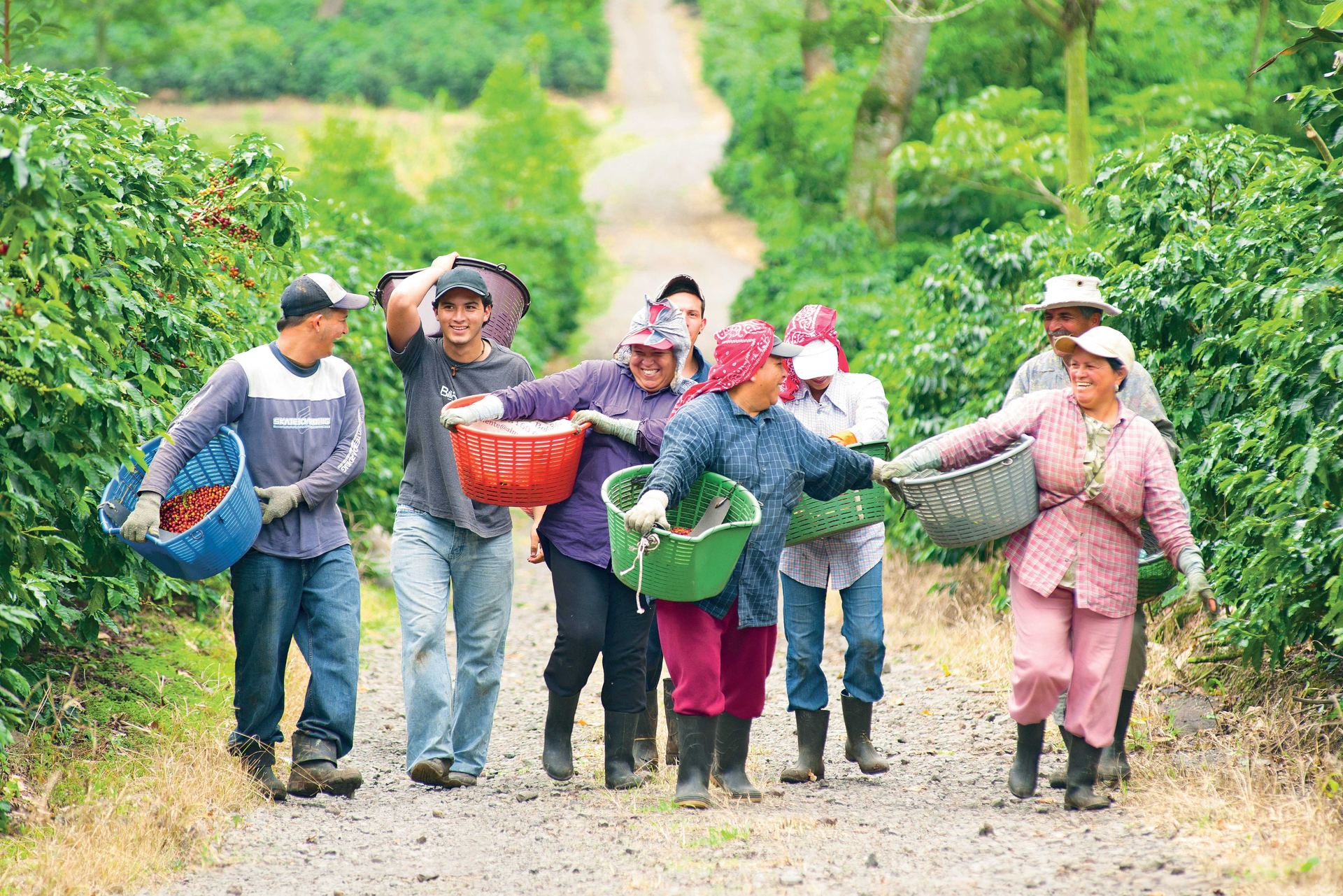
Beyond strengthening coffee activity, it promotes social responsibility projects that directly improve the lives of picker families and foster well-being in coffee-growing regions.
Objective
Promote productive and social sustainability through access to financing, protection for pickers and direct support for initiatives that strengthen health, safety and human development in coffee farming.
 Access to fair and timely financing
- Priority support for small producers
- CCSS insurance for pickers and their families
- Protection through occupational risk insurance
- Support for health and well-being during harvest
- Participation in Casas de la Alegría
- Care, education and food for pickers’ children
Women transforming coffee
The coffee sector’s Gender Policy recognizes women across the value chain and promotes more opportunities, leadership, and economic growth.
Actions with real impact
Equity as a commitment
We reduce gaps in training, information, and participation in decision-making.
Leadership and economic autonomy
We strengthen women producers, technicians, and professionals to expand participation and leadership.
Accessible training
We promote free virtual training to reach more coffee-growing regions.
Gender approach in action
We integrate this approach into programs and projects to generate sustainable change.
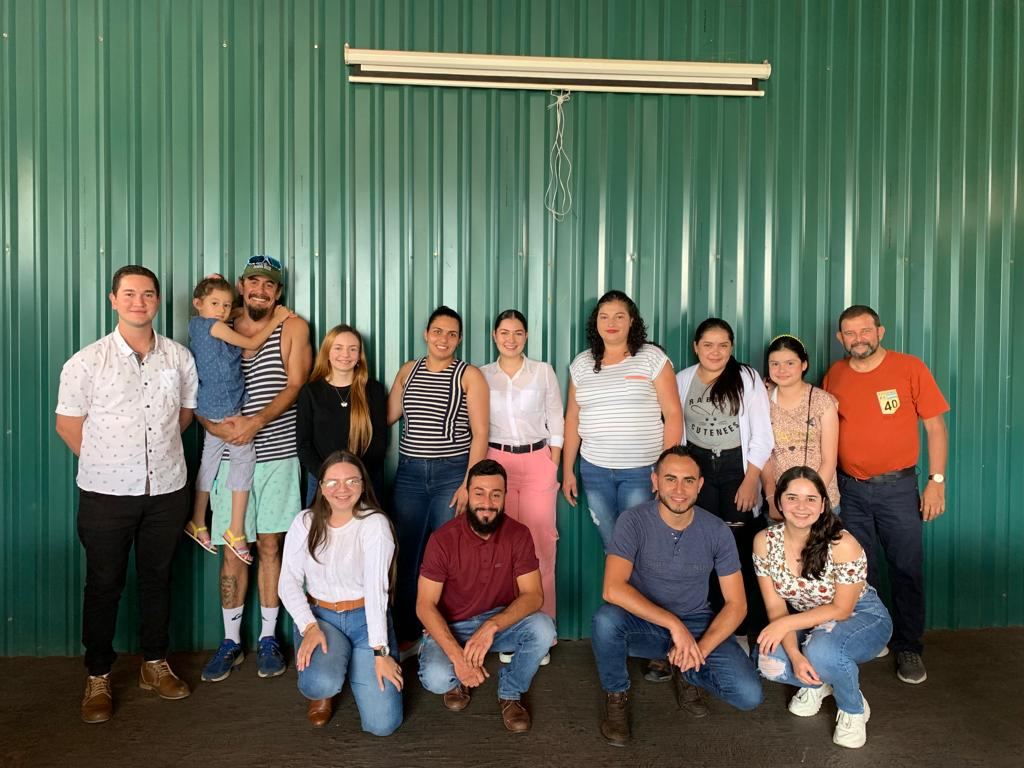
The future of coffee is built when new generations have room to contribute.
Coffee youth
The Youth Strategy opens a path for more young people to stay, participate, and lead in coffee.
Generational renewal is essential to sustain Costa Rican coffee and connect experience, innovation, and territory.
What drives the strategy
We create conditions for young people to train, start businesses, innovate, and participate in safe sector spaces.
- Youth participation in the sector
- Coffee-linked ventures
- Technical training and leadership
- Training in coffee-growing regions
- Regional and national participation
- Alliances with cooperatives and institutions
- Integration between coffee generations
The development of this website was supported by the TRANSFORMA-INNOVA Programme, co-financed by the European Union and the Federal Ministry for the Environment, Climate Action, Nature Conservation and Nuclear Safety (BMUKN) of the Federal Republic of Germany, through the International Climate Initiative (IKI), and implemented by the German Agency for International Cooperation (GIZ), the Tropical Agricultural Research and Higher Education Center (CATIE), Conservation International Costa Rica (CI-CR), the Costa Rica–United States Foundation (CRUSA), the Environmental Bank Foundation (FUNBAM), and the United Nations Development Programme (UNDP).